Fall 2025


Revived and expanded the chapter into a 530+ member network with 47 active members.
This semester, we revitalized our Active Minds chapter into a thriving 530+ member community, supported by 47 highly engaged active members. Together, we advanced campus-wide mental health advocacy through education, peer engagement, and stigma-reduction initiatives that fostered open, informed conversations about well-being.
Partnerships with Center for BrainHealth, The Harris Project, The Warren Center, and Good Molecules.
We established partnerships with leading mental health and wellness organizations to bring evidence-based programming and service initiatives to campus. Through bi-weekly service efforts, educational collaborations, and product donations, these partnerships directly supported and benefited over 100 students.
Directed large-scale outreach and awareness events reaching 1,500+ students.
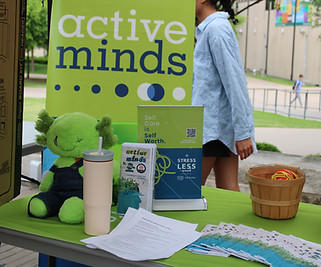
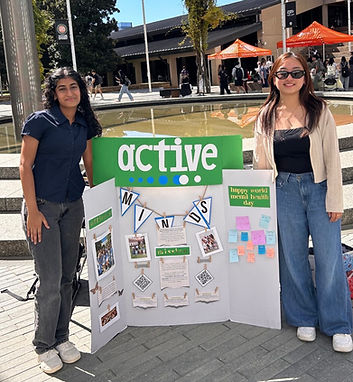
Our chapter led and supported major campus events including World Mental Health Day, Homefest, Grateful To Be Me, Suicide Prevention Day, and the Domestic Violence Awareness Fair. These interactive events reached more than 1,500 students and combined research-informed resources with creative engagement to normalize mental health conversations.
Designed and presented research-based lessons at general meetings.
We developed and delivered two 20-minute research-based lessons during general meetings averaging 70 attendees. Each lesson translated cutting-edge neuroscience and mental health research into practical, evidence-based strategies students could apply to their daily lives.
Hosted expert guest speakers on mental well-being and suicide prevention.
The chapter hosted distinguished guest speakers, including UTSW MD Dr. Jatin Julakanti and suicide prevention advocate Carolina Reyes. These sessions expanded student access to expert-led mental health education while deepening understanding of prevention, resilience, and holistic well-being.
Organized awareness fundraisers and expanded funding and digital reach.
We organized research-based awareness fundraisers that raised over $200 to directly support advocacy initiatives. In total, we secured more than $1,000 in funding and significantly expanded our digital presence to 1,550+ followers and over 290,000 impressions.
Curated neuroscience-based content and centralized campus resources.
Throughout the semester, we curated and published daily neuroscience-based insights to promote evidence-informed mental wellness. We also designed and distributed over 200 brochures consolidating all free UTD mental health resources, increasing student awareness and accessibility.


Spring 2026
Expanded mental health outreach and engagement, reaching over 3,500 students across campus.
This semester, Active Minds UTD continued its mission of fostering a campus culture of mental health awareness, inclusion, and support through large-scale outreach efforts, educational programming, and collaborative initiatives. Through tabling events, awareness campaigns, resource distribution, and peer engagement, the chapter directly reached more than 3,500 students while connecting community members with mental health resources and opportunities for meaningful conversation.
Hosted research-based General Body Meetings focused on emerging mental health topics.
Throughout the semester, the chapter developed and presented educational General Body Meetings exploring topics such as social pain and rejection, the relationship between nutrition and mental health, and the importance of community and belonging. These peer-led, evidence-based discussions translated psychological and neuroscience research into practical strategies students could apply in their daily lives while creating supportive spaces for open dialogue and connection.
Strengthened community partnerships through collaborative service, fundraising, and social initiatives.
Active Minds UTD partnered with numerous student organizations and campus departments, including Hearts for the Homeless, Partners in Health Engage UTD, Threads of Hope UTD, Student Government, the Student Counseling Center, and organizations across the School of Behavioral and Brain Sciences. Through community-centered events, fundraisers, service projects, and social programming, the chapter promoted belonging, empathy, and mental wellness while expanding opportunities for student involvement.
Led large-scale awareness events promoting accessibility, inclusion, and stigma reduction.
The chapter participated in major campus events including the Spring Organization Fair, World Earth Day, the Mental Health Symposium, Fresh Check Day, and the School of Behavioral and Brain Sciences Social. These initiatives provided thousands of students with mental health resources, educational materials, wellness activities, and opportunities to engage in conversations about emotional well-being, peer support, and help-seeking.
Expanded access to mental health resources through campus-wide educational materials.
In collaboration with Student Government and campus wellness partners, Active Minds UTD designed and distributed more than 2,000 comprehensive mental health resource brochures across campus. These materials increased student awareness of counseling services, wellness programs, basic needs resources, and crisis support systems. The chapter also began developing a new educational brochure focused on helping students navigate therapy options and better understand evidence-based mental health treatment.
Integrated advocacy, sustainability, and community service through innovative impact projects.
The chapter organized a campus-wide clothing drive that collected more than 150 donated items for community organizations while repurposing materials into stress-relief products that will support future mental health fundraising efforts. Additional service initiatives, including philanthropy events benefiting food insecurity programs and participation in the Autism Awareness 5K, highlighted the interconnected nature of mental health, community care, and social well-being.
Advanced campus mental health advocacy through institutional collaboration and policy engagement.
Beyond programming, Active Minds UTD worked alongside the Student Counseling Center and university stakeholders to improve student support systems. The chapter provided recommendations to enhance the accessibility and inclusivity of the Behavioral Assessment and Intervention Team (BAIT) process and collaborated with faculty leaders to advocate for recurring campus-funded Mental Health First Aid training. These efforts aim to strengthen long-term mental health infrastructure and expand access to early intervention and support resources for the UT Dallas community.
Contributed to national mental health education initiatives through chapter innovation.
Building upon the chapter's commitment to research-based education, Active Minds UTD proposed the development of a shared presentation repository for Active Minds chapters nationwide. The initiative would allow chapters to submit and access peer-reviewed educational presentations on mental health topics, increasing the reach of evidence-based awareness programming and supporting mental health education efforts across schools and universities.